Transform Your Property With Professional Fence Installation
Enhancing a property via professional fence installation is a pragmatic choice for homeowners. Fences serve to improve both security and privacy but also contribute to the overall aesthetic appeal of a home. With various styles and materials available, choosing the ideal option can feel overwhelming. Understanding the benefits and processes involved can help simplify this undertaking. What elements should one evaluate to confirm the investment is a sound one?
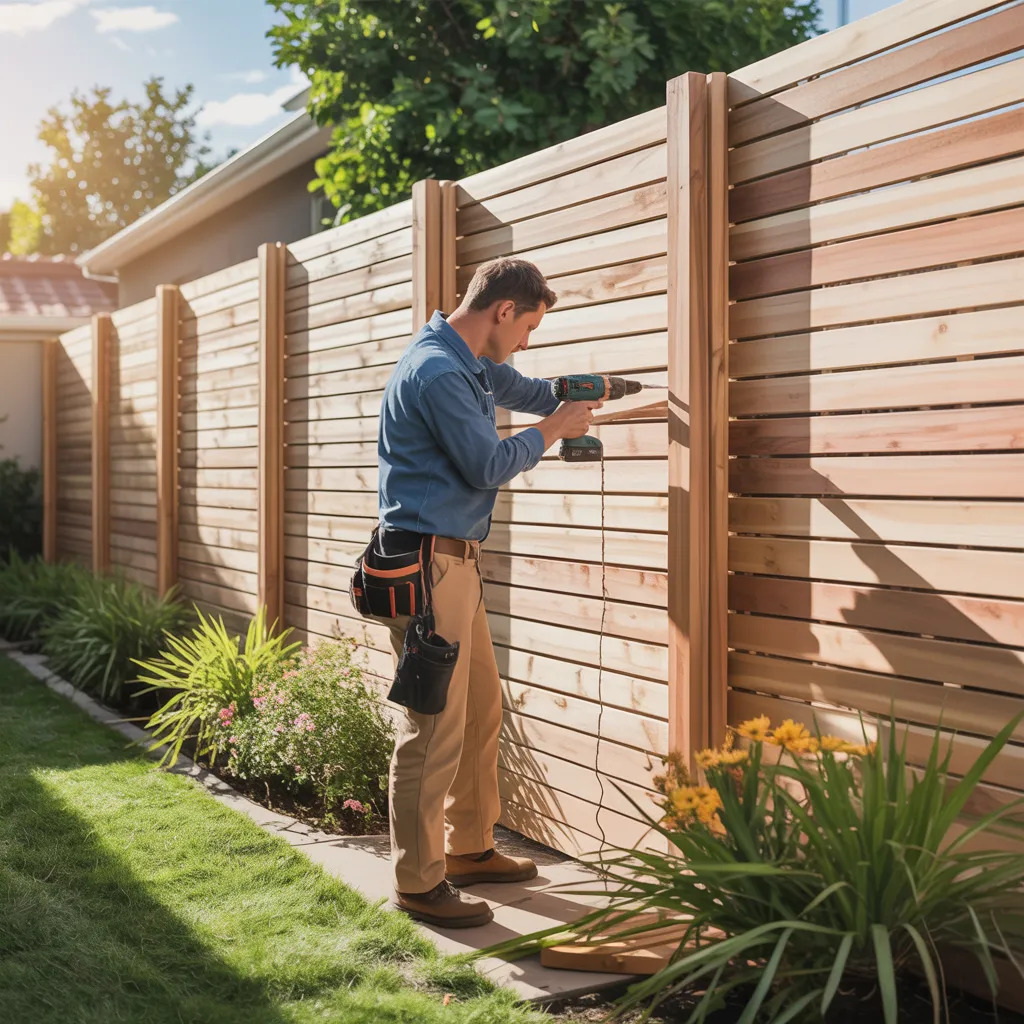
Why Consider Investing in a Professional Fence for Security and Aesthetic Appeal?
When property owners think about improving their home, investing in a professional fence serves both security and aesthetic purposes. A professionally installed fence serves as a strong deterrent, discouraging trespassers and offering reassurance. It defines a distinct perimeter, keeping children and pets safe while increasing privacy.
Apart from security, the selection of design and materials can considerably improve a property's visual appeal. A skillfully installed fence complements the residence's architectural character, forming a unified appearance that boosts visual appeal. High-quality materials and expert craftsmanship guarantee durability, minimizing future maintenance expenses.
Additionally, a fence can elevate property value, making it a smart investment. Home purchasers often view well-defined outdoor spaces as sought-after features, which can lead to quicker sales and higher offers. In the end, a professional fence installation not only improves safety but also transforms the overall aesthetic of a property, making it a sound investment for property owners.
Trending Fence Designs to Boost Curb Appeal
When thinking about fence installation, different styles can considerably boost a property's visual appeal. Classic wooden fences offer timeless charm, while refined vinyl alternatives ensure longevity and easy care. For a sleek appearance, current metal options provide both visual appeal and structural integrity, catering to diverse aesthetic preferences.
Traditional Wood Fences
Classic wooden fences are a perennial favorite for homeowners seeking to enhance their home's visual appeal. Their natural aesthetic complements a wide range of architectural designs, from traditional to modern. Offered in many styles, including picket, board-on-board, and shadowbox, wooden fences can be tailored to match individual styles and landscape designs. The warm tones of wood add a rustic charm that can soften the look of any property, fostering a warm and welcoming setting. Moreover, these structures can deliver privacy while allowing for ventilation and light. With routine care that includes staining and sealing, wooden fences are built to last, making them a durable investment. In the end, they function as both a practical barrier and an attractive feature that elevates the overall appearance of a home.
Elegant Vinyl Options
As more homeowners look for upkeep-free alternatives that still deliver elegance, elegant vinyl fence options have emerged as a popular choice to enhance curb appeal. These fencing options come in a wide range of styles, including classic picket styles and sleek privacy panels, enabling homeowners to complement their home's style with ease. Vinyl fence materials are built to withstand discoloration, distortion, and deterioration, guaranteeing lasting strength and enduring appeal. With an array of colors and textures, they are capable of imitating wood's warmth or delivering a sleek, modern look. Additionally, their smooth surfaces are easy to clean, making them practical for busy lifestyles. By choosing elegant vinyl options, homeowners can attain a polished appearance while taking advantage of low maintenance and exceptional durability.
Contemporary Metal Designs
Horizontal slats, geometric configurations, and blended materials have grown in popularity, creating visual interest and a modern look. Furthermore, metal fences can serve practical purposes, such as delivering security without compromising aesthetics. Certain homeowners opt for decorative elements, like laser-cut patterns, to introduce a distinctive element. Overall, contemporary metal fencing not only elevates visual attractiveness but also boosts a property's value and lasting quality.
Choosing the Right Fence Material for Your Needs
Picking the ideal fence material is crucial for both performance and appearance. Options such as wood, vinyl, and metal each offers distinct advantages that cater to varying requirements and tastes. Understanding these benefits can help homeowners make informed decisions for their property fencing needs.
Benefits of Wood Fencing
Wood fencing offers a timeless look that adds character of every property while delivering many useful benefits. One of its primary advantages is versatility; wood is available in multiple designs, heights, and stains to complement diverse architectural styles. In addition, wood is a natural insulator, contributing to noise reduction and increased privacy. Timber is also environmentally sustainable, positioning it as a green alternative compared to synthetic materials. With routine upkeep, wood fences offer lasting performance, combining long-lasting strength with aesthetic charm. Moreover, timber is simple to fix or swap out, offering homeowners an economical option over time. Ultimately, wooden fences enhance a property's appearance while fulfilling practical roles, making it a popular choice for many homeowners.
Durability of Vinyl Fences
Vinyl fencing emerges as a durable alternative to traditional wood options. Known for its resistance to decay, rot, and insect damage, vinyl delivers enduring protection with minimal upkeep required. In contrast to wood, which tends to warp and splinter, vinyl preserves its structural strength and visual appeal regardless of severe weather. The material additionally offers UV resistance, protecting against sun-induced fading and discoloration. Moreover, vinyl fences are offered in a wide range of styles and color options, giving homeowners the freedom to pick designs that suit their home. While initial costs may be higher than wood, the durability and low maintenance of vinyl fencing establish it as a budget-friendly option over time. Overall, vinyl fencing is a practical and resilient solution for property enhancement.
Metal Choices Explained
When evaluating fence choices, metal fencing materials including aluminum and steel provide durable solutions suited to a range of requirements. Aluminum is a lightweight material that resists corrosion and needs minimal care, making it a perfect choice for home installations. It provides an aesthetically pleasing option that complements various architectural styles. Conversely, steel is renowned for its robustness and lasting quality, rendering it ideal for installations that prioritize security. It resists tough weather and physical stress, guaranteeing durable protection. That said, steel can require routine maintenance to ward off rust. Ultimately, the choice between aluminum and steel copyrights on factors such as budget, desired appearance, and specific functional requirements. Grasping these distinctions can considerably increase property value while satisfying personal tastes.
5 Key Advantages of Professional Fence Installation
Even though many homeowners contemplate a DIY method for fence installation, selecting professional installation delivers notable advantages. For starters, experienced professionals contribute their expertise, making certain the fence is installed accurately and efficiently. Additionally, professionals typically have access to premium materials and equipment, producing a long-lasting and visually appealing result. Moreover, hiring professionals can conserve homeowners' time, enabling them to concentrate on other responsibilities instead of navigating a complicated undertaking. Fourth, experts can provide valuable advice on design and placement, tailoring the fence to meet specific needs and local regulations. To conclude, numerous professional companies provide warranties, offering reassurance about the durability and craftsmanship of the installation. Overall, investing in professional fence installation not only enhances property value but also guarantees a hassle-free experience for the homeowner.
What to Expect During Fence Installation
Understanding the fence installation process helps homeowners to plan for the transformation of their outdoor space. Typically, the process starts with an inspection of the property, where professionals assess the area and go over design options. After that, homeowners can anticipate the marking of boundaries, confirming compliance with local codes and neighbor agreements.
After all preparations are finished, the installation team will begin digging post holes and securing the fence panels or boards. This phase might require concrete to ensure additional stability. Residents should anticipate some noise and disruption throughout this stage, as various tools and machinery will be operating.
Finally, the team will carry out a comprehensive check to verify everything is aligned and secure. Upon completing the installation, homeowners will get helpful advice about any immediate maintenance needs. Overall, understanding this process fosters a smoother experience and increases homeowner satisfaction with the recently completed fence.
Tips for Caring for Your New Fence
Following the successful completion of a new fence installation, adequate upkeep is necessary to preserve its lifespan and attractive appearance. Consistent upkeep is essential, commencing with regular examinations for signs of wear, like deteriorating wood or oxidized metal. Washing the fence a minimum of once annually helps remove dirt and debris, ensuring it remains visually appealing. When it comes to wood fences, coating the surface with a protective finish every several years helps guard against water damage and sun deterioration. Metal fencing structures may require a layer of anti-corrosion paint to protect against oxidation and decay. Additionally, trimming back vegetation that encroaches on the fence helps deter insects and rot. It is equally essential to tackle concerns without delay, as neglect can lead to more significant problems down the line. By following these care tips, homeowners can enjoy their new fence for many years while maintaining its strength and beauty.
Partnering With Fence Installation Experts
When homeowners decide to enhance their property with a new fence, collaborating with experienced installation professionals can greatly simplify the process. These experts bring valuable knowledge about materials, design options, and local regulations, making certain that the project matches the homeowner's expectations and adheres to zoning laws.
Before starting, it's beneficial for homeowners to communicate their preferences clearly, including the intended style, height, and purpose of the fence installation. Skilled professionals can then offer customized recommendations, helping to steer clear of frequent errors.
Additionally, scheduling a consultation provides an analysis of the site, detecting any likely difficulties such as rough terrain or established landscaping elements.
Budgeting for Your Fence Installation Project
Planning a budget for a fence installation demands thoughtful evaluation of a range of factors that shape the overall investment. First, the choice of materials plays a significant role; wood, vinyl, and metal each come with different price points and maintenance needs. Furthermore, the scale and intricacy of the property should be assessed, given that larger or non-standard yard shapes frequently call for increased labor and materials.
Labor costs can vary widely according to local explore now market rates and the proficiency of the installers. Property owners must also consider permits and zoning requirements, which can result in additional charges. Additionally, establishing a reserve fund for unforeseen costs is recommended. By carefully evaluating these factors, homeowners can develop a practical budget that suits their financial situation while ensuring the installation of a quality fence that enhances their property.
Questions We Often Receive
How Long Does a Typical Fence Installation Take?
An average fence installation can take anywhere from one to several days, influenced by factors such as the fence type, the terrain, and the overall property size, as well as weather conditions that can impact the overall schedule.
Can I Put Up a Fence by Myself?
Yes, a person can install a fence on their own. Nevertheless, it demands thorough preparation, the right tools, and familiarity with local codes. Results rely on the person's capabilities and commitment to the undertaking.
What Permits Are Required for Fence Installation?
Municipal regulations generally require permits before installing a fence, varying by municipality. Homeowners are encouraged to reach out to their municipal zoning department to understand the exact regulations, including property boundary rules, height limitations, and applicable HOA regulations that may apply.
Can My Fence Impact My Property Value?
A properly built fence can increase property value by improving aesthetics and providing privacy, while poorly maintained or unattractive fences may detract from it. Ultimately, quality and design strongly affect the perceived value of a property.
What Should I Look for When Choosing a Dependable Fence Contractor?
To choose a reliable fencing contractor, it is important to look into reviews, confirm qualifications, obtain several estimates, and assess past projects. Establishing clear dialogue and a thorough understanding of the agreement will additionally strengthen the overall selection process.